Friday, March 29, 2019

General Health Profile Services At Ocala Family Medical Center


Complete health profiles  are a vital part of healthy living. You will receive a comprehensive picture of your general health status by having a complete health profile performed. All the tests your doctor will perform are designed to inspect key parts of your body and how they are functioning. Most attention will be paid to the focus areas including the risk of coronary artery disease, heart attack or stroke, the current status of your kidneys and liver function, electrolyte and acid/base balance as well as levels of blood glucose and blood proteins. 


By having these tests done you also receive the benefit of knowing your risk for a thyroid disorder and if you have an increased risk of developing diabetes. Certainly knowing the status of each of these components can provide peace of mind or the need to improve your overall health, as abnormal results, and especially combinations of abnormal results, can indicate a problem that needs to be addressed.


A vital part of disease prevention is this health screening which involves testing or checking for conditions in their early stages, before symptoms have developed, to help improve outcomes. Various screenings may involve tests, such as cervical cancer screening tests, examinations, such as skin checks, or advice on self-checks, such as breast or testicular self-examination.


One important factor is weight, as excess weight increases your risk for diabetes and heart disease. The body mass index (BMI) measures your body fat based on your height and weight, and it can determine if you are overweight or at risk for developing obesity. The Centers for Disease Control and Prevention (CDC) says an adult BMI between 18.5 and 25 is within normal range.


Another agency,The American Heart Association (AHA) recommends that all adults over the age of 35 have their cholesterol checked every 5 years. Furthermore screening should begin at 20 years of age if you have certain risk factors which include diabetes, first degree relatives who have had heart attacks, a family history of stroke, a BMI over 30 and smoking.


In some instances a test is used for more than one purpose. While a blood test may show that a person has too few red blood cells (anemia), that same test may be repeated after treatment to determine whether the number of red blood cells has returned to normal. And in some situations a disorder can be treated at the same time a screening or diagnostic test is done. By way of example when colonoscopy (examination of the inside of the large intestine with a flexible viewing tube) detects growths (polyps), they can be removed before colonoscopy is completed.


As a rule health checks are usually incorporated into routine medical care. In most cases your doctor will often perform these checks when you are visiting for another condition, such as a cold or another problem. Then your health care provider will tell you how often you need to have a health check. In all cases having a health check is also a time to examine your lifestyle to see what improvements can be made. An examination such as this may be something you regularly do yourself or discuss with a healthcare professional.


Diagnostic Laboratory


For the convenience of our patients, our full-service lab is on-site at OFMC. Our lab is COLA Accredited and offers comprehensive testing to diagnose and treat many different medical problems. 


Phone: 352-237-4133
Fax:      352-873-4581

Monday, February 25, 2019

CT scan (64 Slice) Service At Ocala Family Medical Center


64-slice computed tomography is a noninvasive application of CT technology that offers fast scanning capability that was not previously available. In a single rotation, the CT scan creates 64 high-resolution anatomical image cuts that are as thin as a credit card and form a 3-dimensional view of the internal organs. The 64-slice CT is able to perform whole-body trauma scans in seconds or capture images of an organ such as the beating heart (but without the heart movement). In addition to providing better images, its speed is significant because it shortens breath holds during the scan, which can be a boon for geriatric patients.


The 64-slice CT's advanced ability to look at the internal anatomy, including coronary arteries, noninvasively is another advantage. Evaluation for peripheral vascular disease previously necessitated inserting a catheter into the groin while this new system requires only an intravenous line to inject the contrast.


Each CT scanner rotation sends x-rays through the body area being studied. All rotations of the scanner take less than a second and provides a picture of a thin slice of the organ or area. All of the pictures are saved as a group on a computer and they also can be printed.


Contrast material is used to make structures and organs easier to see on the CT pictures. It may be used to check blood flow, find tumors, and look for other problems. It can be used in different ways like being put in a vein (IV) in your arm, or it may be placed into other parts of your body (such as the rectum or a joint) to see those areas better. For some types of CT scans you drink it. CT pictures may be taken before and after it is used.

A CT scan can be used to study all parts of your body, such as the chest, belly, pelvis, or an arm or leg. This scan can take pictures of body organs, such as the liver, pancreas, intestines, kidneys, bladder, adrenal glands, lungs, and heart. CT scans can also can study blood vessels, bones, and the spinal cord.


The Radiological Technologists at Ocala Family Medical Center are skilled in their field and will provide you with all of the information you need for your study. Certain studies require the patient to drink an oral contrast, which will be provided to you by OFMC.


Phone: 352-237-4133
Fax:      352-873-4581

Wednesday, January 30, 2019

1.5 Open Bore MRI At Ocala Family Medical Center


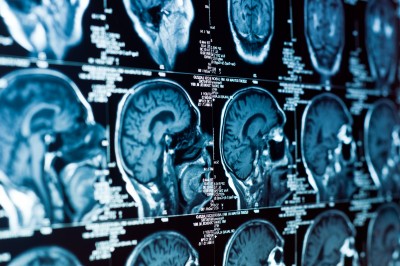
The imaging scanner uses a mix of magnetic fields and radio waves to make diagnostic pictures.


During the imaging procedure the patient needs to lie very still while the imaging magnet and radio waves scan the body.
Software within the imaging machine converts the signals into extremely elaborate pictures that medical employees will use.


The imaging machine with "open bore" encompasses a larger gap than older imaging machines, making it easier for patients who are claustrophobic to experience imaging scans without sedation. In distinction to a "completely open" imaging machine it still encompasses a tunnel the patient lies down in, however the gap (or "bore") is wider and far shorter. The patient who is having having their spine or pelvis examined can rest with their head and lower extremities outside the magnet.


As the name implies the open imaging is open on 3 to four sides depending on manufacturer and model. Prior to the introduction of the open imaging low field system, larger patients were unable to be scanned as a they couldn’t fit within the bore of the machine. Improved accessibility is that the primary advantage of the open imaging. It permits larger framed, weighty or claustrophobic patients to be scanned well.

In addition to being more comfortable, the MRI experience is also up to 70% quieter and scanning is more efficient this makes exams faster and less stressful. The scanner’s software allows the MRI technician to reduce image error caused by breathing, motion, or metal in the patient’s body. A key feature of the software is improved multi-phase imaging, enabling providers to obtain more images in a shorter period of time.


radiation involved in the scan. A MRI is a noninvasive way for
your Physician to see and evaluate the area or organ in question
and thus be able to diagnose and treat the patient.


Phone: 352-237-4133
Fax:      352-873-4581

Sunday, December 30, 2018

Hyperthyroidism Treatment At Ocala Family Medical Center


Overactive Thyroid Produces Too Much Thyroxine Hormone

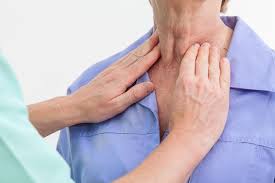
When your thyroid gland produces too much of the hormone thyroxine hyperthyroidism (overactive thyroid) occurs. The condition known as hyperthyroidism can accelerate your body's metabolism, causing a rapid or irregular heartbeat and unintentional weight loss. Hyperthyroidism causes the thyroid gland to be overactive which leads to excessive amounts of thyroid hormone. Located in the front of your neck, the thyroid gland is an organ that releases hormones that control your metabolism (the way your body uses energy). These hormones also control your breathing, nervous system, heart rate, body temperature, weight, and many other functions in the body. 


Overactive Thyroid Symptoms

You may experience nervousness, anxiety, rapid heartbeat, hand tremor, excessive sweating, weight loss, and sleep problems, among other symptoms, when the thyroid gland is overactive. It can be difficult for your doctor to diagnose hyperthyroidism as it can mimic other health problems. Hyperthyroidism can also cause a wide variety of signs and symptoms, including an enlarged thyroid gland (goiter), which may appear as a swelling at the base of your neck, fatigue, muscle weakness, difficulty sleeping, skin thinning and fine, brittle hair.


Other signs of hyperthyroidism may include rapid heartbeat (tachycardia) — commonly more than 100 beats a minute, irregular heartbeat (arrhythmia), and pounding of your heart (palpitations). You might also experience unintentional weight loss, even when your appetite and food intake stay the same or increase, increased appetite, sweating, increased sensitivity to heat and changes in menstrual patterns. Hyperthyroidism might also produce changes in bowel patterns, especially more frequent bowel movements, as well as nervousness, anxiety and irritability.

If you have symptoms of an overactive thyroid contact your doctor who will check for an enlarged thyroid gland, rapid pulse, moist skin, eye changes, and a slight tremor in your fingers or hand. Your doctor also will do a blood test to measure the amount of thyroid hormone in your blood which confirms the diagnosis. Your medical practioner may do a thyroid scan to help find the cause of your hyperthyroidism. It is possible that if your entire thyroid is affected you could have Graves’ disease, or the doctor will look for thyroid nodules or an inflammation.


Additionally your doctor may do a radioactive iodine uptake test which measures your thyroid’s ability to take up iodine. Your thyroid gland may be producing too much hormone if a high uptake of iodine is indicated. Such an result could indicate Graves’ disease or a hyperfunctioning thyroid nodule, while a low uptake of iodine indicates thyroiditis as the cause.

Treating an Overactive Thyroid

The best of several treatments for hyperthyroidism depends on your age, health, cause, and how severe your condition is. Your doctor's goal is to control your thyroid levels and make them normal as doing this relieves symptoms and prevents future health problems. One option is radioactive iodine therapy to damage the cells that make thyroid hormones. It can also be treated with anti-thyroid medications that interfere with the production of thyroid hormones. In rare cases in which women do not respond to or have side effects from these therapies, surgery to remove the thyroid (either one part of the entire gland) may be necessary.


Your doctor may also prescribe beta-blockers to block the effects of thyroid hormones on your body as beta-blockers help slow down a rapid heart rate and reduce hand tremors. The severity and underlying cause of your symptoms, your age, whether you are pregnant, other conditions you may have, and the potential side effects of the medication can all be factors in your choice of treatment for hyperthyroidism.


Dr. Carly Carrion Olmeda
 is a Board Certified Endocrinologist with Fellowship training in Diabetes and Metabolism. He treats a wide range of conditions.


OFMC Plaza
2135 SW 19th Avenue
Suite 103
Ocala, FL 34471

Phone: 352-237-4133
Fax: 352-873-4581

Thursday, November 29, 2018

Family Planning Services At Ocala Family Medical Center


To attain their desired number of children and determine the spacing of pregnancies many couples seek the services of family planning. The practice of family planning is achieved through use of contraceptive methods and the treatment of infertility. Ensuring access to preferred contraceptive methods for women and couples is essential to securing the well-being and autonomy of women. The promotion of family planning supports the health and development of communities.


Family Planning


The ability to choose if and when to become pregnant has a direct impact on a woman’s health and well-being. The spacing of pregnancies and delay of pregnancies in young women at increased risk of health problems and death from early childbearing demonstrates family planning's benefits to those who practice it. Family planning prevents unintended pregnancies. This would include those of older women who face increased risks related to pregnancy. Women who wish to limit the size of their families are enabled by family planning to do so. Research suggests that women who have more than 4 children are at increased risk of maternal mortality. Family planning also reduces the need for unsafe abortions by reducing rates of unintended pregnancies


There are myriad benefits of family planning including empowering people and enhancing education. It has been noted that family planning represents an opportunity for women to pursue enhanced education and increased participation in public life. This would further include paid employment in non-family organizations. Furthermore family planning helps people make informed choices about their reproductive and sexual health. Family planning is also responsible for saving children's lives as there are strong links between family planning and improvements in child health and survival.


Pregnancy

Family planning promotes the prevention of HIV and AIDS by lowering the risk of unintended pregnancies among women living with HIV.This results in fewer infected babies and orphans. Also male and female condoms protect against unintended pregnancies as well as STIs including HIV. Family planning also works to prevent children having children. Complications in pregnancy are the leading killer of girls and young women aged 15–19 throughout the world. Because their bodies are not ready to bear children each year 50,000 teenage girls and young women die during pregnancy or childbirth. Even if the young mothers survive their babies are also at far greater risk than those whose mothers are older.


Preconception care is another method of family planning. This is care before pregnancy and many women of reproductive age can benefit from it. Defined as a set of interventions designed to identify and reduce risks to a woman’s health, preconception care also improves pregnancy outcomes through prevention and management of health conditions. A significant reduction in birth defects and disorders caused by preterm birth can be attributed to family planning.

At Ocala Family Medical Center we strive to offer high quality, compassionate women's healthcare services. We offer a wide range of services that satisfies the unique needs of female healthcare.


Phone: 352-237-4133
Fax:      352-873-4581

Friday, October 26, 2018

Galactorrhea Treatment At Ocala Family Medical Center


The condition known as galactorrhea happens when one or both breasts make milk or a milky discharge. Galactorrhea is not related to the production of milk in breastfeeding. In cases of galactorrhea the breasts may leak only when touched, or on their own. This issue may occur in women or in men, but is less common in men. Though rare it can occur in newborns. Be aware that galactorrhea itself is not a disease, although it could be a sign of an underlying problem. 


Usually it is found in women, even those who have never had children or after menopause. Medication side effects, excessive breast stimulation, or disorders of the pituitary gland all may contribute to galactorrhea. In many cases galactorrhea results from increased levels of prolactin, the hormone that stimulates milk production. However there are times when the cause of galactorrhea cannot be determined and the condition may resolve on its own.

Galactorrhea signs and symptoms include erectile dysfunction in men, decreased sex drive, acne, headaches or vision problems, and an increase in hair growth on the chin or chest. Persistent or intermittent milky nipple discharge may occur and one or both breasts may affected. Nipple discharge involving multiple milk ducts can happen as well as spontaneously leaked or manually expressed nipple discharge. Absent or irregular menstrual periods have also been noted.


Diagnosing the underlying cause of galactorrhea can be a challenging and complex task because there are so many possibilities including excessive breast stimulation, which may be associated with sexual activity, frequent breast self-exams with nipple manipulation or prolonged clothing friction, and birth control pills. Other possible causes of galactorrhea include medications, such as certain sedatives, antidepressants, antipsychotics and high blood pressure drugs and cocaine, marijuana or opioid use. Also indicated as causes are a noncancerous pituitary tumor, underactive thyroid, chronic kidney disease and use of herbal supplements, such as fennel, anise or fenugreek seed.


Your doctor may test you by physical exam, during which they may try to express some of the fluid from your nipple by gently examining the area around your nipple while also checking for breast lumps or other suspicious areas of thickened breast tissue. You could be subject to analysis of fluid discharged from the nipple, to see if fat droplets are present in the fluid, which can help confirm the diagnosis of galactorrhea. An MRI (Magnetic Resonance Imaging) may be called for to check the brain for a tumor or other abnormality of your pituitary gland, if your blood test reveals an elevated prolactin level.


The treatment of galactorrhea depends on the cause. If tumors are benign they can be treated with medicine or surgery. Also medication can be useful if your body is producing too much of a hormone, such as prolactin. Medicines as well help treat problems such as hypothyroidism. If it is discovered that certain medications cause galactorrhea your doctor may prescribe a different medicine. Doctors sometimes cannot determine an exact cause of galactorrhea and in such a case they might recommend treatment anyway if you have bothersome or persistent nipple discharge. In such an event you might be given a medication to block the effects of prolactin or to lower the amount of prolactin in your body as reducing the prolactin level in your body may eliminate galactorrhea.


Dr. Carly Carrion Olmeda
 is a Board Certified Endocrinologist with Fellowship training in Diabetes and Metabolism. He treats a wide range of conditions.


OFMC Plaza
2135 SW 19th Avenue
Suite 103
Ocala, FL 34471

Phone: 352-237-4133
Fax: 352-873-4581